Analysis of DrugHub Market
Comprehensive operational history and feature review.
Executive Summary
DrugHub Market operates as a specialized, anonymized commerce platform utilizing the Tor network's hidden service architecture. Establishing itself as a prominent component of the modern darknet ecosystem, the platform focuses on facilitating the exchange of digital commodities and specialized physical goods through highly secure cryptographic channels.
Unlike traditional network frameworks, the marketplace relies primarily on decentralized infrastructure to maintain uninterrupted service. Observers note that its design philosophy heavily priorities user anonymity and transactional security, discarding legacy frameworks in favor of robust, protocol-level isolation techniques.
Historical Timeline
Initial Architecture Deployment
The market was initially established with standard hidden service routing protocols. Early versions relied heavily on traditional centralized account structures and accepted multiple ledger formats.
Transition to XMR-Exclusive Framework
In response to advancements in blockchain surveillance, the platform underwent a significant infrastructural upgrade. All transparent ledgers were deprecated, formatting the marketplace strictly around Monero (XMR) to ensure transactional obfuscation.
Implementation of Passwordless Authentication
To mitigate the risks associated with credential stuffing and phishing, the administrative team deployed a mandatory passwordless PGP login mechanism. This structural shift required all clients and merchants to rely entirely on local cryptographic keypairs for platform access.
Technical Architecture
Ledger Integration
DrugHub operates as a strict XMR-only environment. By utilizing ring signatures and stealth addresses inherently built into the Monero daemon, the market prevents third-party analysts from tracing financial flows between the platform, clients, and merchants.
Walletless Escrow System
Replacing traditional centralized market wallets, the platform utilizes a direct-payment escrow model. Funds are sent specifically per order to uniquely generated multisignature addresses, systematically reducing the honeypot risk of an administrative exit.
Cryptographic Verification
The market enforces a mandatory PGP implementation for all communication and authentication phases. Clients do not register standard text passwords; instead, session access is granted by decrypting a randomized token generated by the server against the user's public key.
Platform Interface Preview
Archived analytical captures of the isolated market environment, documenting visual architecture and user interface controls.
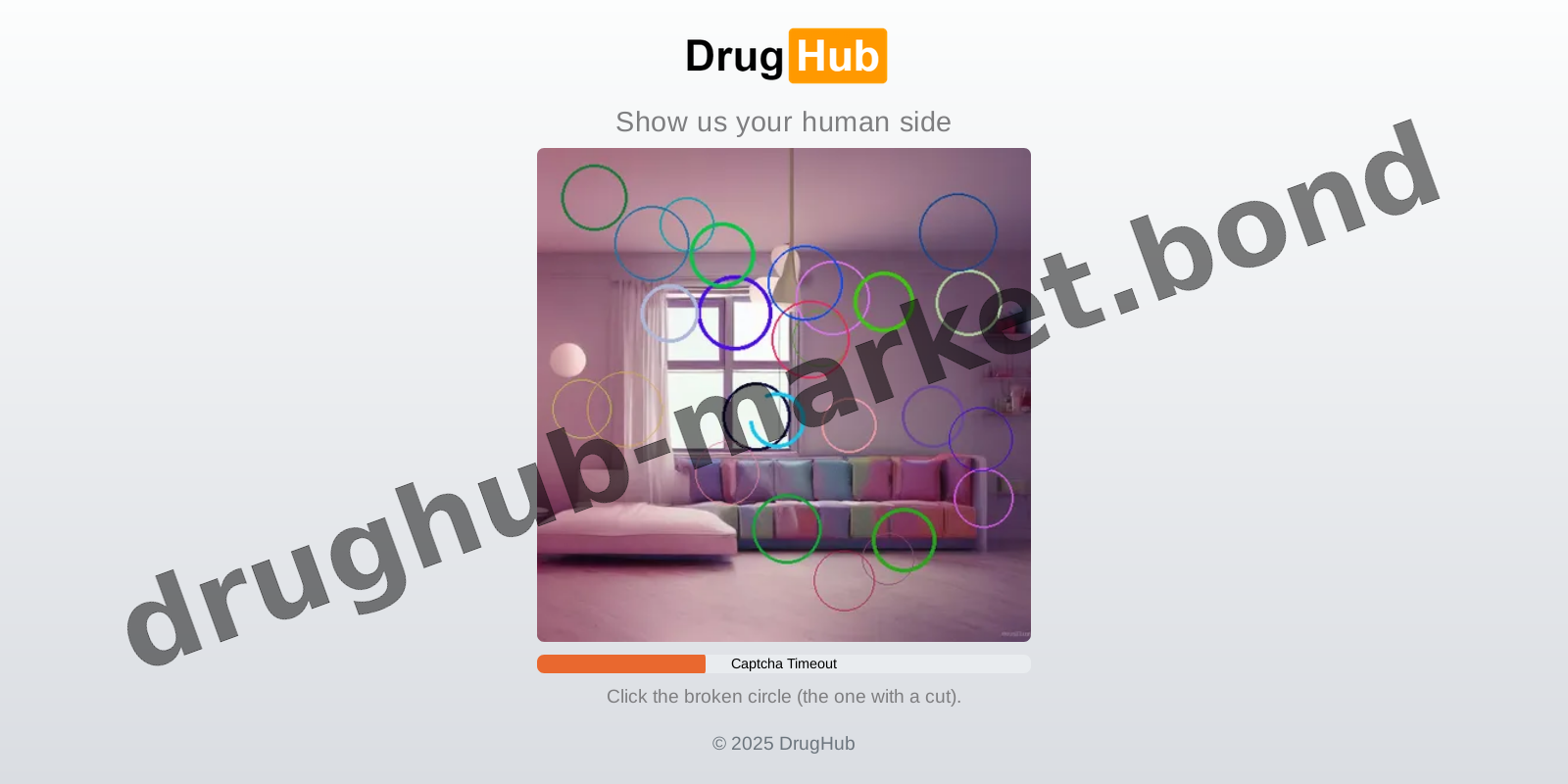
Fig 1. DDoS Protection Screen
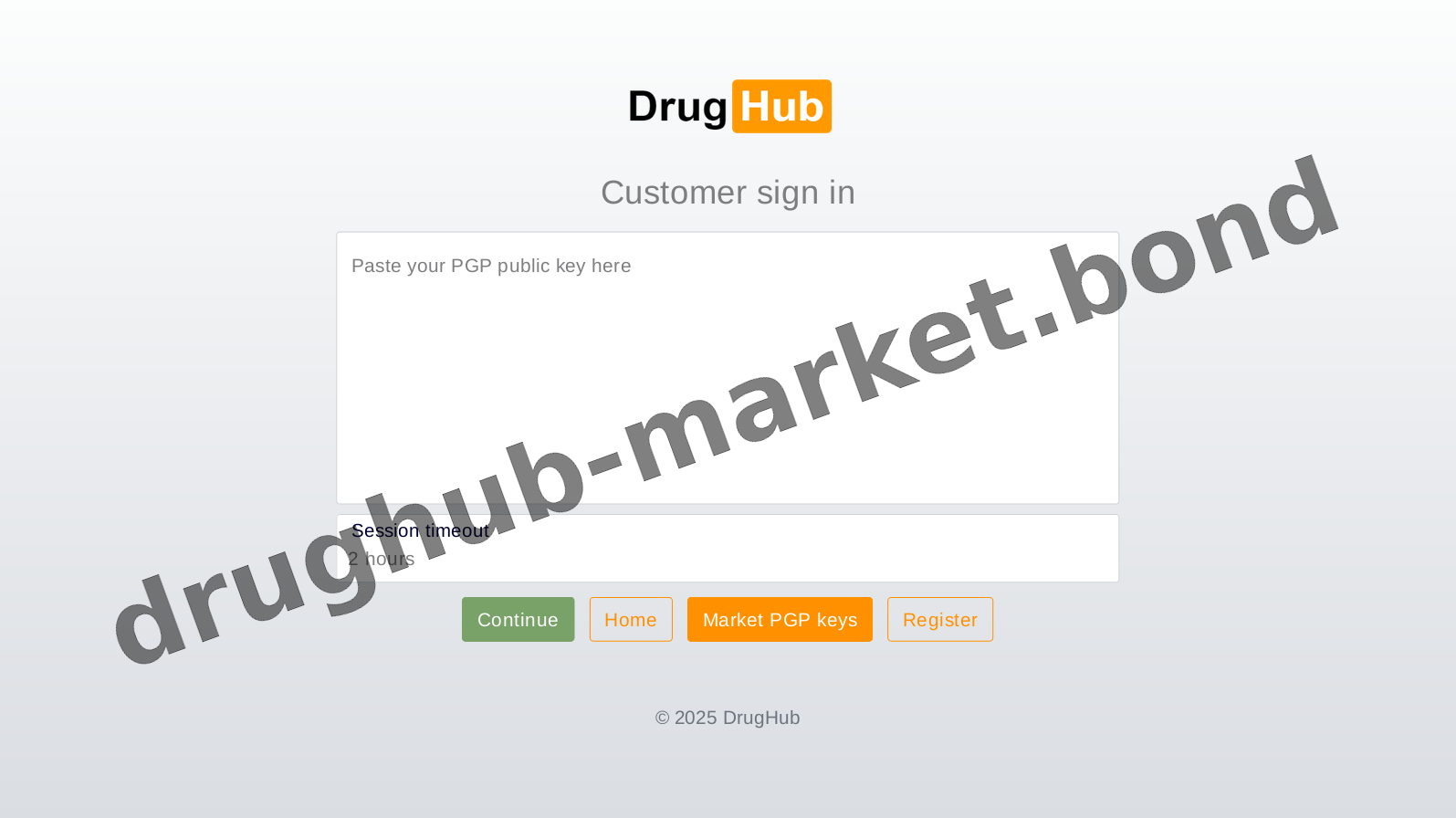
Fig 2. User Login Interface
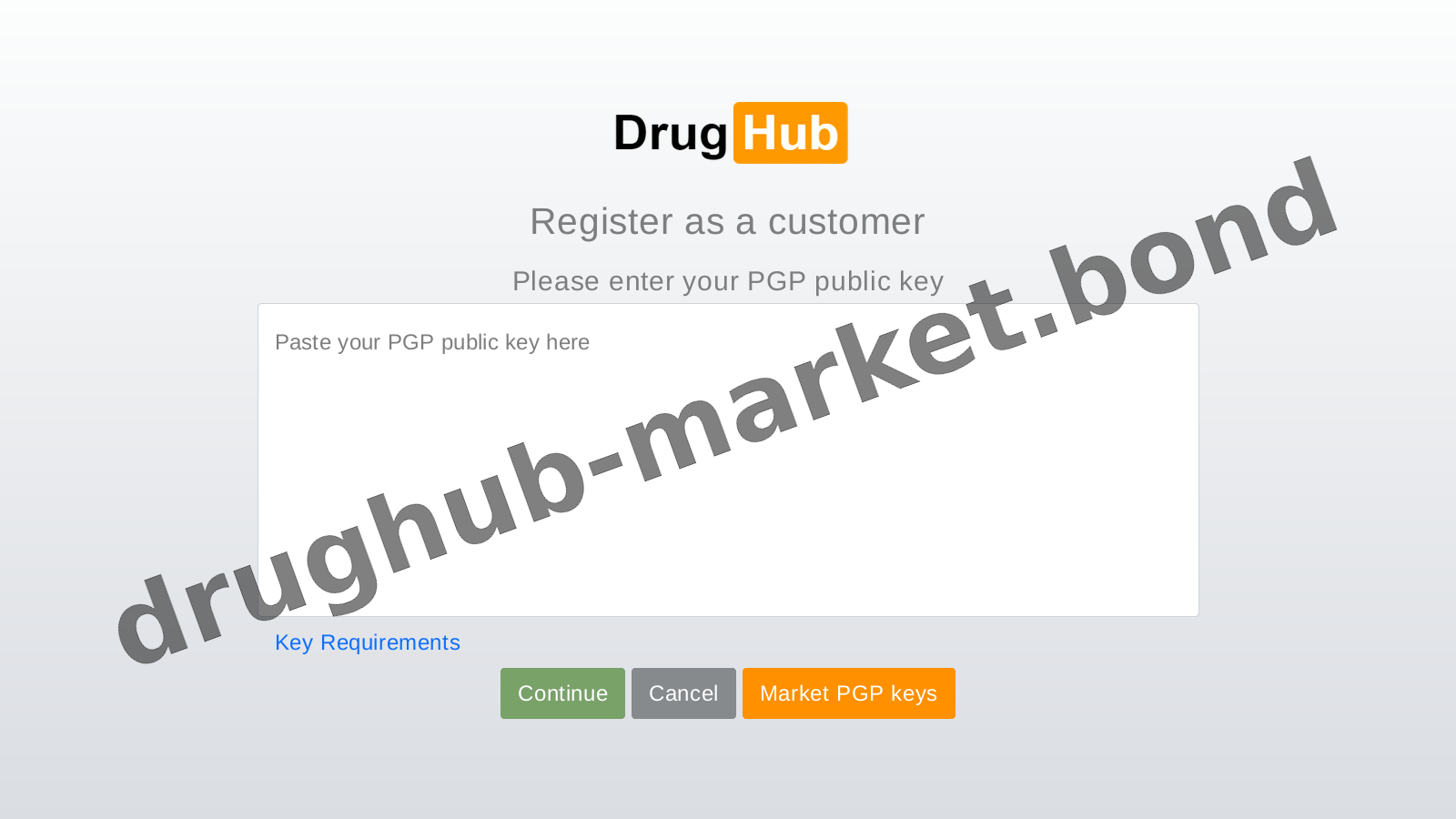
Fig 3. Account Registration Page
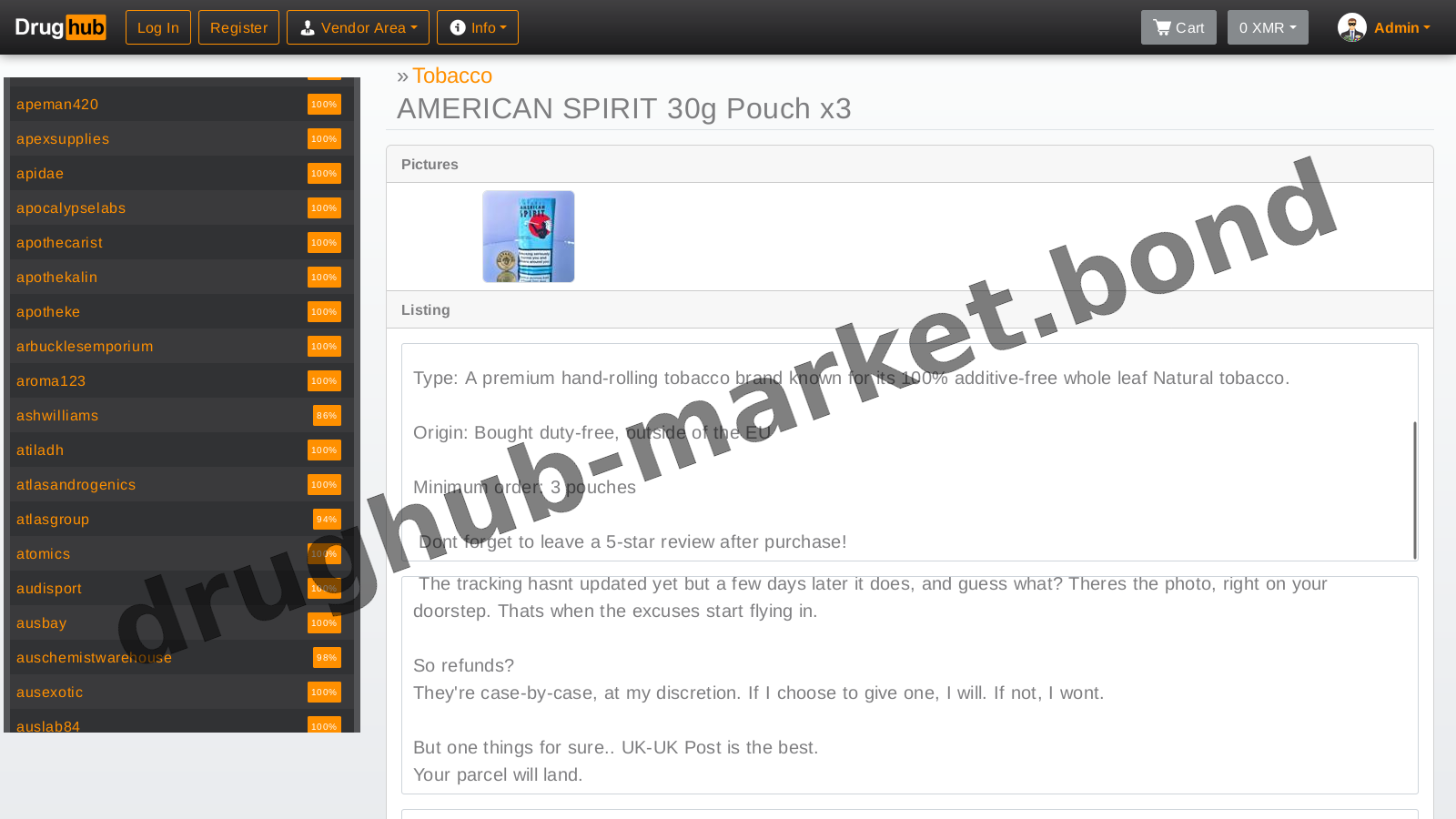
Fig 4. Main Market Dashboard
Community & Statistics
Analytical metrics indicate a consistently expanding user base, primarily driven by mass migrations following the instability of concurrent legacy platforms. The community relies entirely on decentralized communication channels like encrypted forums and signed broadcast messages to verify the operational status of the service.
To maintain marketplace integrity and deter sybil attacks, the platform requires substantial security bonds from prospective merchants. This financial threshold ensures that only dedicated suppliers integrate into the ecosystem, allowing clients to transact within a moderated and economically balanced environment.